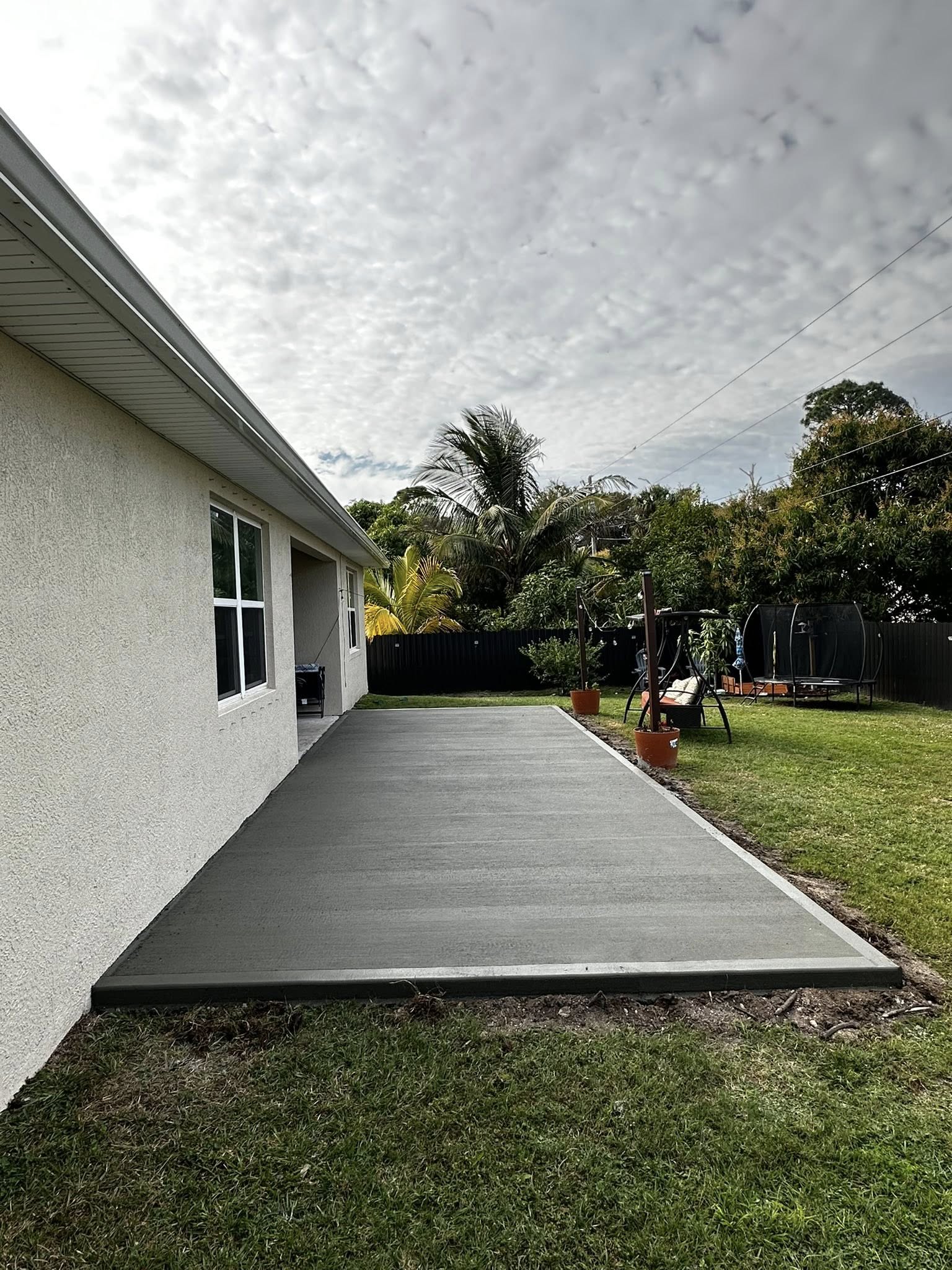
The Environmental Benefits of Using Concrete in Coastal Areas Apr 05, 2026
Today, as more communities and businesses focus on environmental impact, choosing materials that align with eco-friendly goals is crucial. Concrete stands out as a leading option due to its durability and adaptability. In coastal areas, the harsh conditions, such as saltwater exposure and strong winds, require materials that can withstand these challenges while minimizing environmental harm.
One of the primary environmental benefits of concrete is its durability. Unlike wood or metal, concrete does not easily degrade in coastal conditions, which means structures require less frequent repairs or replacements. This longevity significantly reduces the overall environmental footprint by minimizing the consumption of additional resources and reducing waste over time. Coastal Concrete Creation's expertise in formulating mixes that further enhance these qualities means that our contributions to sustainable construction are even more impactful.
Concrete is also an excellent thermal insulator, which is particularly advantageous in coastal climates. Buildings constructed with concrete can naturally regulate temperature, reducing the need for energy-intensive heating and cooling systems. This energy efficiency not only translates to lower utility bills for occupants but also reduces the carbon footprint associated with excessive energy usage. By aligning construction practices with energy-efficient goals, Coastal Concrete Creation is helping coastal communities make strides in environmental conservation.
Furthermore, concrete's reflectivity benefits the environment by reducing the urban heat island effect—a common issue in populated coastal areas. Surfaces made of concrete reflect more sunlight and absorb less heat compared to asphalt or darker materials. This reflection helps maintain lower temperatures in urban settings, improving air quality and lessening reliance on energy-consuming cooling methods during hot months.
When it comes to storm protection, concrete offers unique advantages as well. Coastal areas are often vulnerable to storms and rising sea levels. Concrete's robustness ensures that structures are better equipped to withstand high winds and wave impact, protecting both property and human life. In this regard, Coastal Concrete Creation is committed to designing concrete solutions that enhance storm resilience, thereby safeguarding communities while conserving natural resources by reducing the need for reconstruction.
The production of concrete itself has become more environmentally friendly as well. Advances in technology have made it possible to reduce the carbon intensity of concrete production, from improving the efficiency of cement kilns to incorporating recycled materials. Coastal Concrete Creation is actively involved in sourcing materials and employing techniques that align with sustainable production standards. This commitment ensures that our concrete solutions support broader environmental objectives, such as reducing greenhouse gas emissions and conserving natural resources.
In conclusion, concrete's use in coastal areas brings numerous environmental advantages, from its durability and thermal efficiency to its role in mitigating heat islands and enhancing storm resilience. At Coastal Concrete Creation, we are proud to contribute to sustainable construction practices that help preserve the ecological integrity of our treasured coastal regions. By choosing concrete, we are investing not only in robust infrastructure but also in a healthier planet.
/filters:no_upscale()/filters:format(webp)/media/74959dbb-c63e-4b34-8f60-92c09a35dc42.jpeg)
/filters:no_upscale()/filters:format(webp)/media/9e907a09-69f5-45da-96d8-6f5ecdd9819a.jpeg)